
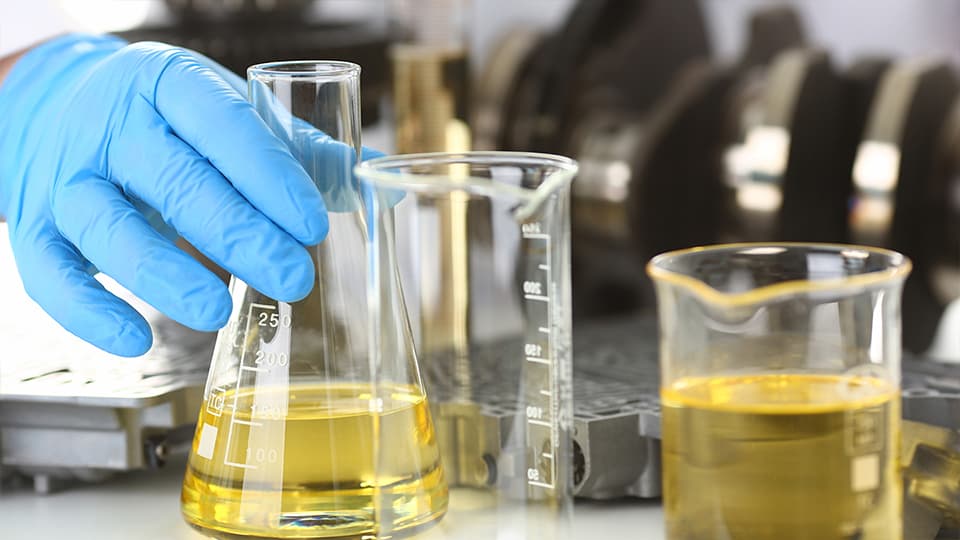
The oil and gas industry operates in some of the most demanding environments in the world, where efficiency, safety, and reliability are critical for maintaining profitable operations. From upstream drilling activities to downstream refining processes, specialty chemicals play a vital role in improving operational performance, protecting equipment, and reducing downtime. As the energy sector in the Middle East continues to expand, the demand for advanced specialty chemical solutions is rapidly increasing.
Understanding Specialty Chemicals in the Oil & Gas Industry
Specialty chemicals are high-performance chemical formulations designed to address specific industrial challenges. In the oil and gas sector, these chemicals are used to improve production efficiency, maintain equipment integrity, optimize refining processes, and ensure environmental compliance.
These chemicals are carefully developed to perform under extreme temperatures, pressures, and corrosive operating conditions commonly found in oilfields and refineries.
Key Types of Specialty Chemicals Used in Oil & Gas Operations
Corrosion Inhibitors
Corrosion is one of the most common challenges in oil and gas facilities. Pipelines, storage tanks, and drilling equipment are constantly exposed to harsh chemicals, moisture, and saline environments. Corrosion inhibitors help protect metal surfaces, extend equipment lifespan, and reduce maintenance costs.
Benefits include:
- Reduced equipment failure
- Improved pipeline reliability
- Lower maintenance expenses
- Extended operational life
Demulsifiers
Crude oil often contains water and impurities that must be separated during processing. Demulsifiers are specialty chemicals used to break oil-water emulsions efficiently, improving crude oil quality and refining performance.
Advantages of demulsifiers include:
- Faster oil-water separation
- Improved production efficiency
- Reduced processing time
- Better product quality
Scale Inhibitors
Mineral scale deposits can form inside pipelines and processing equipment, restricting fluid flow and reducing system efficiency. Scale inhibitors prevent buildup and maintain smooth operational performance.
Key benefits:
- Improved flow efficiency
- Reduced equipment blockage
- Lower cleaning and maintenance requirements
- Increased production continuity
Biocides
Microbial growth in pipelines and storage systems can lead to contamination, corrosion, and operational disruptions. Biocides help control bacteria, fungi, and other harmful microorganisms in oilfield systems.
Benefits include:
- Enhanced system hygiene
- Prevention of microbiologically influenced corrosion
- Improved operational safety
- Reduced downtime
Pour Point Depressants
In colder operating conditions, crude oil viscosity can increase, making transportation difficult. Pour point depressants improve oil flow characteristics and support efficient pipeline transportation.
Advantages include:
- Improved crude oil flow
- Reduced transportation issues
- Enhanced pipeline efficiency
- Lower operational risks
Importance of Specialty Chemicals in Operational Efficiency
Improved Equipment Performance
Specialty chemicals protect critical assets from corrosion, scaling, and fouling, allowing machinery and systems to operate efficiently with minimal interruptions.
Reduced Downtime
Unexpected shutdowns can significantly impact oil and gas production. Chemical treatment programs help prevent operational issues before they occur, reducing costly downtime.
Enhanced Safety Standards
Chemical solutions improve process stability and minimize risks associated with equipment failure, leaks, and contamination, contributing to safer operations.
Cost Optimization
Efficient chemical management reduces maintenance expenses, energy consumption, and production losses, helping companies achieve better profitability.
Environmental Compliance
Modern specialty chemicals are designed to support environmentally responsible operations by reducing waste, emissions, and hazardous discharges.
Growing Demand for Specialty Chemicals in the Middle East
The Middle East remains one of the world’s leading oil and gas production regions. As operators continue investing in advanced technologies and infrastructure modernization, the need for high-performance specialty chemicals continues to grow.
Regional oilfields often face extreme temperatures, high salinity, and challenging production conditions. Customized specialty chemical programs are essential for ensuring operational stability and maximizing production output in these demanding environments.
Choosing the Right Specialty Chemical Partner
Selecting a reliable specialty chemical manufacturer is essential for long-term operational success. Companies should look for suppliers with:
- Proven industry experience
- High-quality manufacturing standards
- Technical expertise
- Customized chemical solutions
- Strong regional support capabilities
An experienced supplier can develop tailored chemical programs designed specifically for unique oilfield and refinery conditions.
Conclusion
Specialty chemicals are essential for improving efficiency, reliability, and safety across oil and gas operations. From corrosion prevention and scale control to enhanced crude oil processing and microbial protection, these advanced chemical solutions help operators optimize performance while reducing maintenance costs and downtime. As the Middle East energy sector continues to evolve, investing in high-quality specialty chemicals remains critical for sustainable and profitable operations.
Anglo Gulf FZE (AGF) is a diversified specialty chemicals manufacturing company established in 1991 and located in Jebel Ali Free Zone, Dubai. AGF manufactures a wide range of specialty chemicals to support oil & gas, industrial, and manufacturing sectors across the region.
Address: P.O. Box 16887, Jebel Ali Free Zone, Dubai, United Arab Emirates
Phone: +971 55 224 2938