
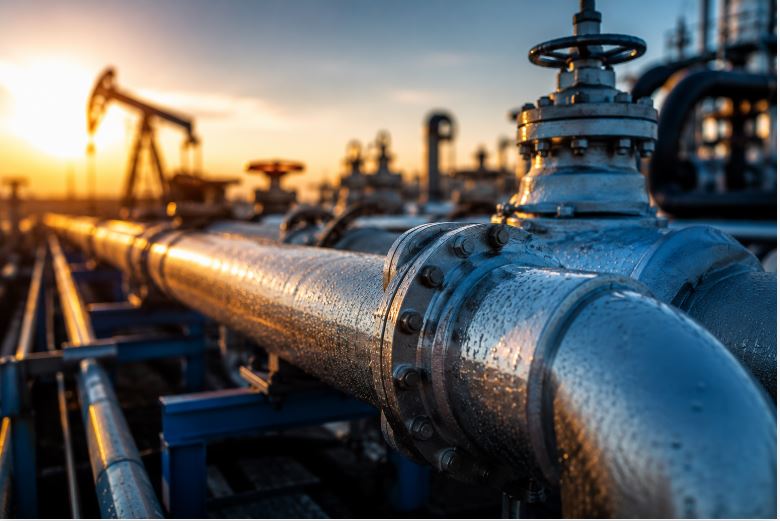
Flow assurance is one of the most critical challenges in oilfield operations. From the wellhead to processing facilities, crude oil and gas must travel through complex networks of pipelines under extreme temperature and pressure conditions. Without proper management, these conditions can lead to pipeline blockages, production losses, equipment damage, and costly shutdowns.
This is where specialty oilfield chemicals play a vital role. Designed to address specific operational risks, these chemicals help maintain continuous flow, protect infrastructure, and ensure safe and efficient hydrocarbon transportation. In this article, we explore how specialty chemicals improve flow assurance and prevent pipeline blockages in modern oilfields.
Understanding Flow Assurance in Oilfield Operations
Flow assurance refers to the strategies and technologies used to guarantee the uninterrupted movement of oil, gas, and water throughout the production system. Common flow assurance problems include:
- Wax and paraffin deposition
- Asphaltene precipitation
- Scale formation
- Gas hydrate buildup
- Corrosion and biofouling
- Emulsion-related restrictions
If not properly treated, these issues can restrict flow, reduce production efficiency, and significantly increase operational costs. Specialty chemicals are engineered to target these specific threats and keep pipelines operating smoothly.
Key Pipeline Blockage Risks and Their Chemical Solutions
1. Wax and Paraffin Control Chemicals
As crude oil cools during transportation, wax crystals can form and adhere to pipeline walls, gradually narrowing the flow path. This is especially common in long-distance pipelines and offshore or desert environments where temperature fluctuations are significant.
Wax inhibitors and pour point depressants modify crystal structures, preventing wax from solidifying and sticking to surfaces. These specialty chemicals:
- Maintain crude oil fluidity
- Reduce pumping pressure requirements
- Lower mechanical cleaning frequency
- Extend pipeline operational life
Regular chemical treatment ensures stable flow and minimizes the risk of full blockages.
2. Asphaltene Inhibitors and Dispersants
Asphaltenes are heavy organic molecules that can precipitate due to pressure, temperature, or composition changes. Once formed, they can clog pipelines, foul equipment, and destabilize emulsions.
Specialty asphaltene inhibitors and dispersants prevent these particles from agglomerating and depositing on surfaces. Their benefits include:
- Reduced pipeline fouling
- Improved crude oil quality
- Enhanced separation efficiency
- Lower maintenance and chemical cleaning costs
These solutions are essential in complex reservoirs where fluid compositions vary.
3. Scale Inhibitors for Mineral Deposition Control
Scale forms when incompatible formation waters mix, causing minerals such as calcium carbonate and barium sulfate to precipitate. Scale buildup narrows pipelines, damages pumps, and disrupts heat transfer systems.
Oilfield scale inhibitors work by interfering with crystal growth, keeping minerals suspended and preventing hard deposits. Effective scale management:
- Protects pipelines and valves
- Improves production reliability
- Reduces unplanned shutdowns
- Extends equipment lifespan
In many oilfields, continuous scale inhibitor dosing is a core element of flow assurance programs.
4. Hydrate Inhibitors for Cold and High-Pressure Systems
Gas hydrates are ice-like crystalline structures formed when gas and water combine under high pressure and low temperatures. They can develop suddenly and completely block pipelines.
Specialty thermodynamic and low-dosage hydrate inhibitors (LDHIs) prevent hydrate formation or stop crystals from growing large enough to cause obstructions. These chemicals:
- Maintain stable gas and multiphase flow
- Improve offshore and deepwater safety
- Reduce reliance on energy-intensive heating methods
- Lower operational risks in subsea pipelines
Hydrate control is critical for offshore oilfields and long-distance gas transportation networks.
5. Corrosion and Biofouling Control
Internal corrosion and microbial growth can create rough pipeline surfaces where solids accumulate more easily. Over time, this accelerates deposition, restricts flow, and compromises structural integrity.
Specialty corrosion inhibitors and biocides protect metal surfaces and control microbial populations. Their advantages include:
- Reduced internal pipeline damage
- Improved chemical treatment efficiency
- Enhanced system reliability
- Lower risk of leaks and environmental incidents
By maintaining clean and protected surfaces, these chemicals indirectly support long-term flow assurance.
Operational and Economic Benefits of Specialty Flow Assurance Chemicals
The strategic use of specialty oilfield chemicals delivers both technical and financial advantages:
- Continuous, stable hydrocarbon flow
- Reduced pigging and mechanical intervention
- Lower energy consumption
- Extended asset life
- Improved production predictability
- Enhanced worker and environmental safety
These benefits make specialty chemical programs an essential investment rather than an optional cost.
Choosing the Right Specialty Chemical Partner
Not all flow assurance challenges are the same. Successful programs require customized chemical formulations, precise dosing strategies, and technical expertise.
An experienced chemical supplier such as Anglo Gulf FZE provides:
- Tailored flow assurance solutions
- High-quality specialty oilfield chemicals
- Technical support and field evaluation
- Reliable regional supply and logistics
Partnering with the right supplier ensures chemicals perform effectively under real-world operating conditions.
Conclusion
Flow assurance remains a critical factor in maintaining safe and profitable oilfield operations. Specialty chemicals that control wax, scale, asphaltenes, hydrates, corrosion, and biofouling play a vital role in preventing pipeline blockages and ensuring uninterrupted hydrocarbon transportation. A well-designed chemical program significantly reduces downtime, protects infrastructure, and enhances overall production efficiency.
Anglo Gulf FZE (AGF) is a diversified specialty chemicals manufacturing company established in 1991 and located in Jebel Ali Free Zone, Dubai. AGF manufactures a wide range of specialty oilfield and industrial chemicals designed to support efficient and reliable field operations.
Address: P.O. Box 16887, Jebel Ali Free Zone, Dubai, United Arab Emirates
Phone: +971 55 224 2938