
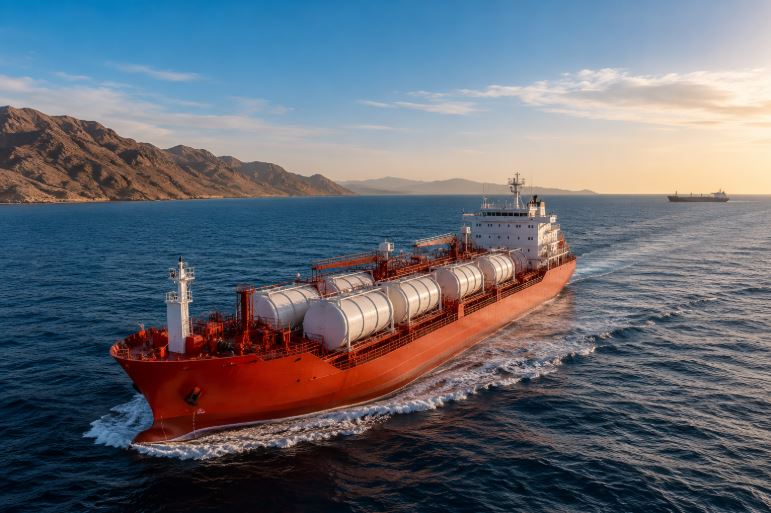
In 2026, global chemical logistics faces one of its most challenging periods in recent history. Ongoing disruptions in the Red Sea have reshaped international shipping routes, increased transit times, and placed enormous pressure on supply chains. For chemical manufacturers and exporters, uninterrupted logistics operations are no longer optional. They are essential for survival. In this complex environment, 24/7 chemical logistics has become the backbone of resilience, particularly for manufacturers operating out of Dubai.
The Red Sea is one of the world’s most critical maritime corridors, connecting Asia, Europe, and the Middle East. Any disruption in this route has a ripple effect across global trade. For the chemical industry, delays can be especially costly due to the sensitive nature of chemical products, strict safety regulations, and time-bound delivery commitments. In 2026, manufacturers must adapt quickly to ensure continuity while maintaining safety and compliance.
Dubai has emerged as a strategic hub for chemical logistics due to its advanced port infrastructure, regulatory efficiency, and global connectivity. Chemical manufacturers in Dubai understand that surviving Red Sea disruptions requires round-the-clock logistics planning, real-time monitoring, and flexible routing strategies. A 24/7 operational mindset ensures that shipments are managed proactively rather than reactively.
Chemical logistics differs significantly from general cargo logistics. Chemicals require controlled handling, precise documentation, temperature stability, and compliance with international transport regulations. When shipping routes are disrupted, these requirements become even more complex. Manufacturers must manage alternative shipping lanes, coordinate with multiple logistics partners, and ensure that safety protocols remain intact throughout transit.
One of the key strategies adopted by Dubai-based chemical manufacturers is continuous logistics monitoring. Real-time tracking systems allow teams to monitor vessel movement, port congestion, and geopolitical risks as they unfold. This information enables quick decision-making, such as rerouting shipments or adjusting delivery schedules. A 24/7 logistics operation ensures that no critical update is missed, regardless of time zone differences.
Supply chain flexibility has become another crucial factor in surviving Red Sea disruptions. Chemical manufacturers now rely on diversified shipping routes and multiple logistics partners to reduce dependency on a single corridor. Dubai’s location and infrastructure make it easier to switch between sea, air, and land transport when required. This adaptability protects supply commitments even during prolonged disruptions.
In 2026, customer expectations remain high despite global uncertainty. Industries that depend on chemicals, including manufacturing, energy, and pharmaceuticals, cannot afford prolonged delays. This puts pressure on chemical manufacturers to maintain reliability under all circumstances. 24/7 logistics operations help meet these expectations by ensuring constant coordination between production, storage, and dispatch teams.
Anglo Gulf Fze, a chemical manufacturer based in Dubai, operates within this demanding logistics environment. Located in the Jebel Ali Freezone, the company benefits from proximity to one of the world’s most advanced ports and logistics networks. With strong Google reviews and a reputation for dependable supply, Anglo Gulf Fze reflects the importance of operational resilience in today’s chemical industry.
Another critical lesson from Red Sea disruptions is the importance of inventory planning. Chemical manufacturers are maintaining strategically positioned stock levels to buffer against transit delays. Warehousing facilities in Dubai are optimized for safe chemical storage, allowing manufacturers to fulfill urgent orders even when shipping routes face uncertainty.
Regulatory compliance remains a top priority during logistics disruptions. Chemical shipments must meet international safety and documentation standards regardless of route changes. Dubai’s regulatory framework supports efficient compliance management, helping manufacturers avoid penalties and shipment rejections. A 24/7 logistics team ensures that documentation updates and approvals are handled without delay.
Digital transformation continues to play a vital role in chemical logistics. Automation, predictive analytics, and data integration help manufacturers anticipate disruptions before they escalate. By analyzing historical data and current shipping conditions, logistics teams can forecast delays and plan alternatives. This proactive approach is essential in a volatile global shipping environment.
Workforce coordination is another key element of successful 24/7 logistics operations. Skilled logistics professionals, safety officers, and compliance managers work in shifts to ensure continuous oversight. Dubai manufacturers invest in training to ensure teams can respond effectively to emergencies, rerouting decisions, and regulatory challenges at any hour.
The Red Sea disruptions of 2026 have highlighted the importance of strong partnerships across the supply chain. Chemical manufacturers collaborate closely with freight forwarders, port authorities, insurers, and customers to manage expectations and ensure transparency. Open communication reduces uncertainty and builds long-term trust.
As global trade patterns continue to evolve, chemical logistics will remain under pressure. Manufacturers that rely on traditional, time-bound operations risk falling behind. Those that embrace 24/7 logistics models, supported by technology and strategic planning, are better positioned to navigate uncertainty.
Dubai’s chemical manufacturing sector demonstrates how resilience can be built through infrastructure, innovation, and operational discipline. The ability to maintain uninterrupted chemical logistics despite Red Sea disruptions sets a benchmark for the global industry.
Conclusion
The Red Sea disruptions of 2026 have reshaped global chemical logistics, making 24/7 operations essential for survival. Through continuous monitoring, flexible routing, digital tools, and strong logistics coordination, Dubai-based manufacturers have demonstrated how resilience can be achieved in uncertain times. Chemical companies that adopt these strategies are better equipped to protect supply chains, maintain safety, and meet customer commitments.
For reliable chemical manufacturing and logistics solutions backed by experience and operational strength, trust Anglo Gulf Fze, a leading chemical manufacturer in Dubai.
Address: Mina Jebel Ali, Jebel Ali Freezone, Dubai, United Arab Emirates
Phone: +971 4 883 5039