
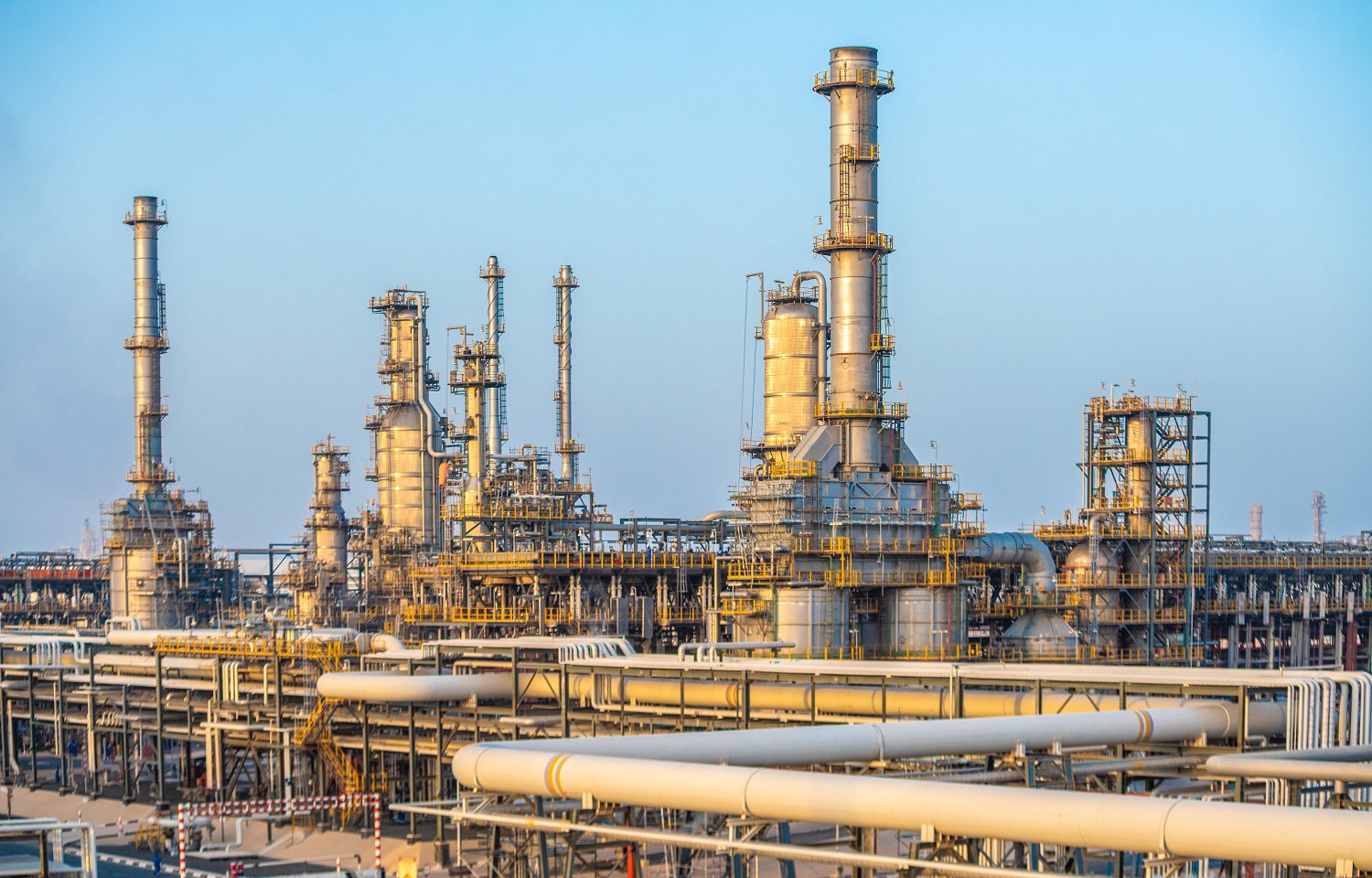
The Middle East chemical industry is entering a transformative phase. Driven by economic diversification, sustainability initiatives, and rapid industrial development, the region is no longer just a supplier of basic petrochemicals. In 2026, the Middle East is positioning itself as a global hub for specialty chemicals, advanced manufacturing, and sustainable chemical solutions.
From Saudi Arabia’s Vision 2030 to the UAE’s focus on green growth and industrial innovation, governments and private players are investing heavily in modernizing chemical production and distribution. Understanding the emerging trends shaping the market can help manufacturers, suppliers, and investors stay competitive in this evolving landscape.
Here are the most important chemical industry trends in the Middle East to watch in 2026.
1. Rapid Growth of Specialty Chemicals
One of the strongest shifts in the Middle East chemical industry is the move away from commodity chemicals toward high-value specialty chemicals. These products are designed for specific applications such as water treatment, oilfield services, construction, agriculture, pharmaceuticals, and advanced manufacturing.
Demand is rising for:
- Performance additives
- Industrial water treatment chemicals
- Construction and coating chemicals
- Agrochemical formulations
- Oilfield specialty chemicals
Specialty chemicals offer higher margins and stronger customer relationships because they are often customized to operational needs. In 2026, manufacturers and distributors that provide technical support and tailored solutions will outperform those focused only on bulk supply.
2. Sustainability and Green Chemistry Initiatives
Sustainability is no longer optional. Across the GCC, governments are enforcing stricter environmental regulations while promoting low-carbon and circular-economy practices. As a result, green chemistry is becoming a major focus of the Middle East chemical industry.
Key sustainability trends include:
- Development of eco-friendly and biodegradable chemicals
- Increased wastewater recycling and reuse
- Reduction of hazardous raw materials
- Energy-efficient production processes
- Carbon capture and emission-reduction technologies
Manufacturers are actively investing in cleaner production methods and environmentally responsible chemical solutions. In 2026, companies that align their portfolios with sustainability goals will benefit from regulatory support, investor interest, and growing customer demand.
3. Localization of Chemical Manufacturing
Another major trend is the push toward local chemical production. Governments are encouraging domestic manufacturing to strengthen supply chains, reduce imports, and create skilled employment opportunities.
This shift is leading to:
- New chemical manufacturing plants and industrial zones
- Joint ventures between global producers and regional companies
- Increased demand for raw materials, intermediates, and technical expertise
- Faster delivery timelines and improved supply security
Localized manufacturing also allows chemical producers to develop formulations specifically adapted to Middle Eastern operating conditions, such as high temperatures, water scarcity, and saline environments.
4. Digital Transformation and Smart Chemical Operations
Technology is playing a larger role across the chemical value chain. In 2026, digitalization and automation are reshaping how chemical products are developed, supplied, and applied.
Key developments include:
- Smart monitoring and automated dosing systems
- Predictive maintenance using data analytics
- AI-driven formulation optimization
- Digital supply chain and inventory platforms
- Remote technical support and diagnostics
These technologies improve safety, reduce chemical waste, and enhance process efficiency. Chemical suppliers that integrate digital tools into their service models are gaining a competitive edge, especially in large-scale industrial and oil & gas applications.
5. Rising Demand from Non-Oil Sectors
While petrochemicals remain vital, the fastest growth in chemical consumption is now coming from non-oil sectors such as:
- Construction and infrastructure
- Food and beverage manufacturing
- Pharmaceuticals and healthcare
- Agriculture and water management
- Renewable energy and battery technologies
Mega projects, smart cities, and industrial clusters across the UAE, Saudi Arabia, and Africa-linked trade routes are fueling demand for construction chemicals, coatings, adhesives, specialty cleaning agents, and high-purity industrial chemicals.
This diversification is making the Middle East chemical market more resilient and innovation-driven.
6. Focus on Water and Environmental Solutions
Water scarcity remains one of the region’s most critical challenges. In response, there is growing investment in advanced water treatment chemicals, desalination technologies, and environmental management solutions.
In 2026, strong growth is expected in:
- Industrial and municipal water treatment chemicals
- Desalination process chemicals
- Wastewater reuse technologies
- Sludge treatment and odor-control solutions
- Environmental remediation chemicals
Companies that specialize in sustainable water and environmental chemical solutions are becoming key partners for governments and large industrial operators.
7. Stronger Emphasis on Quality, Compliance, and Safety
With global trade expansion and stricter regulations, Middle Eastern chemical companies are placing greater emphasis on international quality standards, product traceability, and safety compliance.
This includes:
- ISO-certified quality systems
- Advanced laboratory testing and quality control
- REACH-aligned product documentation
- Improved logistics, storage, and handling procedures
Buyers are increasingly selecting suppliers based on technical reliability and regulatory expertise, not just pricing.
Conclusion
The Middle East chemical industry in 2026 is being shaped by specialty chemicals growth, sustainability initiatives, digital transformation, and localized manufacturing. Companies that adapt to these trends by offering high-performance, environmentally responsible, and technically supported chemical solutions will lead the next phase of industrial development. Staying aligned with these emerging trends is essential for long-term competitiveness and market relevance.
Anglo Gulf FZE (AGF), established in 1991, is a diversified specialty chemicals manufacturing company based in Jebel Ali Free Zone, Dubai, producing a varied range of specialty chemical solutions to meet the evolving demands of the Middle East market.
Address: P.O. Box 16887, Jebel Ali Free Zone, Dubai, United Arab Emirates
Phone: +971 55 224 2938